How to Measure Loyalty Program ROI Without a Data Team
You don't need a data team to prove loyalty pays off. Track repeat visits, revenue lift, and reward cost with wallet passes and three weekly metrics any local business can read.
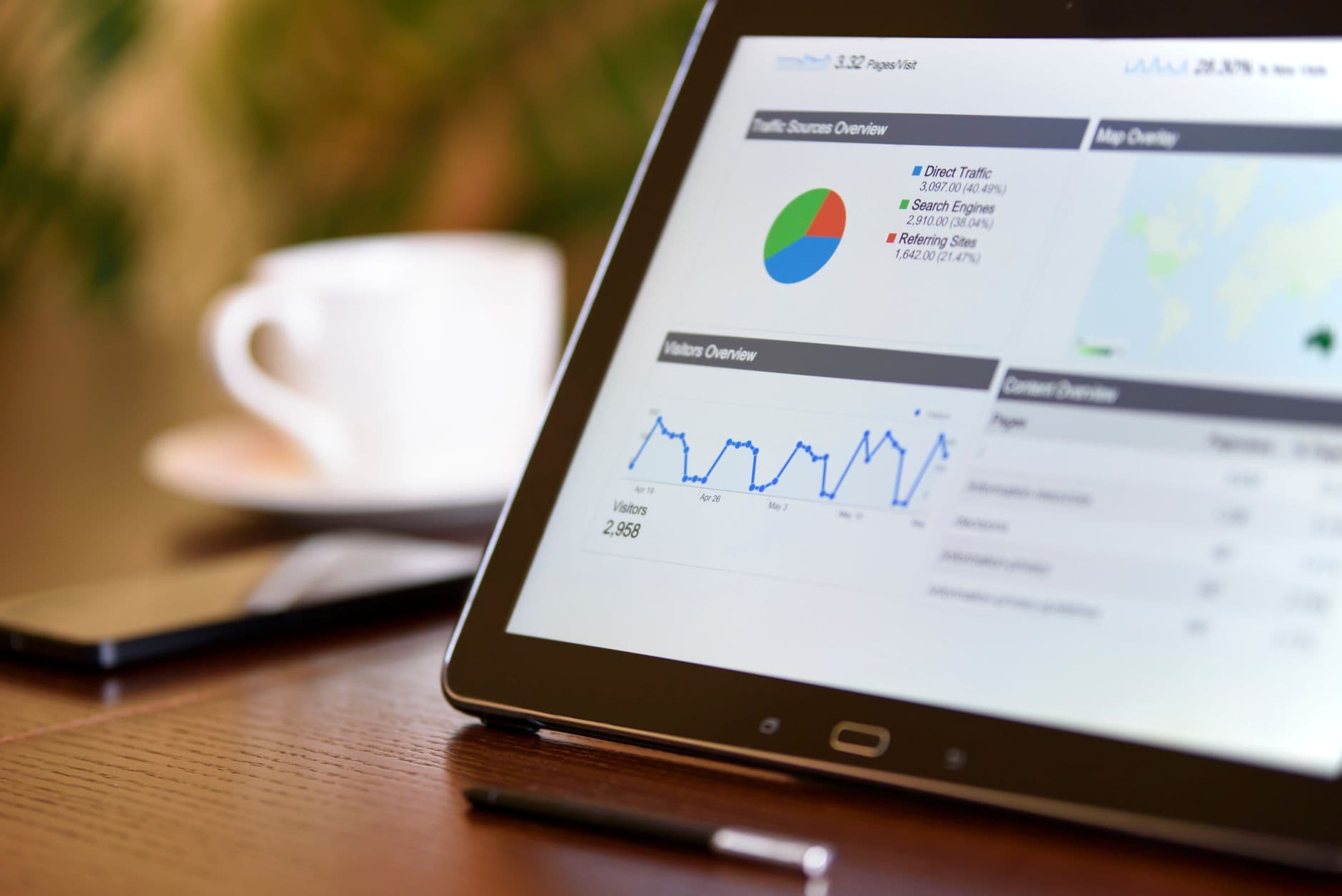
ROI is not a mystery—it's three numbers you already have
Most local owners skip loyalty program ROI because they picture dashboards, SQL, and a consultant. In practice, you need a before/after story built from visits, revenue, and reward cost. If you can read a weekly summary on your phone, you can measure whether your program is working.
💡 Start here: Pick one launch date. Everything you compare should be “30 days before launch” vs “30 days after launch” for the same customers—not random calendar months with different weather or holidays.
The three metrics that matter (no data team required)
1. Repeat visit rate
What it is: Share of customers who came back within your typical cycle (e.g., 30 days for a salon, 14 days for a gym).
How to get it: Count unique customers in period A vs period B, or use your loyalty program check-in log if you run QR codes at the desk.
Why it matters: Repeat visits are the earliest signal that habit is forming—before revenue fully reflects the change.
2. Revenue lift from members
What it is: Average spend per loyalty member vs non-members (or vs the same cohort before they joined).
How to get it: Export a simple sales report or tally receipts for members only. You do not need business intelligence software—two columns in a spreadsheet is enough.
Why it matters: Lift shows whether rewards are pulling extra visits and extra basket size, not just replacing discounting you would have given anyway.
3. Reward cost as % of member revenue
What it is: Total value of redemptions and free perks divided by revenue from loyalty members in the same period.
How to get it: Sum rewards issued (free services, credit burned, comp items) and divide by member revenue.
Why it matters: This is your true program cost. Healthy programs often land between 3–8% of member revenue for local small businesses—your advisor can help you set a target for your margin structure.
Metric snapshot table
| Metric | Formula (simple) | Healthy direction | Data source |
|---|---|---|---|
| Repeat visit rate | Returning customers ÷ total customers | Up vs pre-launch | POS, bookings, QR check-ins |
| Revenue lift | Member avg spend − baseline avg spend | Positive and stable | Receipts, member tag in POS |
| Reward cost ratio | Rewards issued ÷ member revenue | Within your margin target | Loyalty dashboard, manual log |
Build a weekly ritual (15 minutes)
- Monday: Glance at new enrollments and active passes (wallet adds are a leading indicator).
- Midweek: Spot-check repeat visits—who came back inside your target window?
- Friday: Note reward redemptions and one front-desk quote (“I came back because of the pass”).
Easy Loyalty surfaces enrollments, visits, and redemptions in one place so you are not stitching together five tools. Passes live in Apple Wallet and Google Wallet—customers see balance and perks without another app, which lifts participation and makes your customer insights cleaner.
What to avoid when measuring
- Vanity totals (“10,000 points issued”) without tying points to revenue.
- Blended averages that mix tourists, one-offs, and regulars—segment members vs walk-ins.
- Forever pilots with no end date; set a 60-day review and decide keep, tweak, or sunset.
- Over-discounting to hit a signup goal—cheap enrollments with no repeats destroy customer retention ROI.
Industry quick notes
Salons and spas
Compare rebooking rate for pass holders vs guests who only booked once. Credit toward retail often shows lift faster than free cuts.
Gyms and studios
Track check-ins per member per month; reward cost should stay below the value of one extra visit’s revenue.
Cafés and retail
Watch visit frequency and attach rate (drink + food). Small cashback balances compound—measure credit burned weekly.
From metrics to action
When repeat rate rises but lift is flat, tighten perks toward higher-margin items. When lift is strong but reward cost spikes, cap redemptions or add a minimum visit threshold. When both lag, fix visibility: QR placement, staff script, and lock-screen balance on the pass.
Start your free trial and publish wallet passes with QR check-ins so your first ROI read is real data—not guesswork.
Browse more playbooks on the Easy Loyalty blog.
FAQ
What ROI should I expect in the first 90 days?
Most local programs show repeat-rate movement in 30–45 days; revenue lift often follows in 60–90 days as habits form. Set a learning goal first, then a profit goal.
Can I measure ROI without integrating my POS?
Yes. QR check-ins, manual member tags, and weekly tallies work. Integration helps later, but do not delay launch waiting for perfect data analytics plumbing.
How is loyalty ROI different from a generic marketing ROI?
Marketing ROI often measures one campaign. Loyalty ROI measures ongoing customer retention—repeat behavior and lifetime value, not a single ad click.
Do wallet passes improve measurement accuracy?
They improve participation and give you a consistent identifier (the pass) so visits and redemptions are easier to attribute than paper punch cards.
Where can I learn more about launching loyalty?
Visit easyloyalty.app for product overview or explore guides at easyloyalty.app/blog.
📈 ROI shortcut: If repeat visits and member revenue are up, and reward cost is controlled, your program is working—even before you build a fancy dashboard. Sophistication can wait; habit cannot.